Fluent in Amaro: Branding for a Niche Liqueur
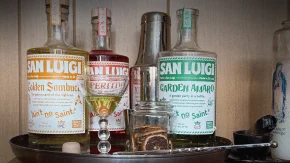
A modern American amaro house that earned industry respect before it asked for consumer attention.
If you’ve ever had an Aperol Spritz, that summer hued bittersweet sparkler, you’ve encountered amaro. It’s just one of a number of centuries old, international icons (think Campari, Fernet Branca, Nonino, et. al.) representing this class of Italian liqueurs.
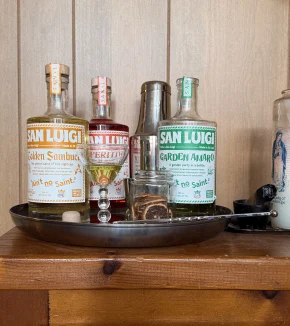
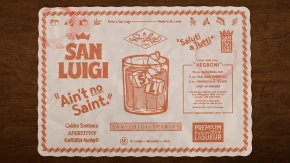
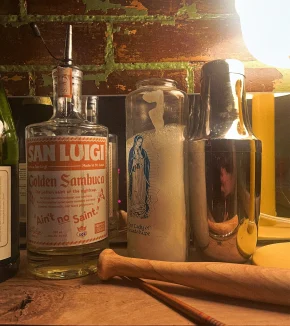
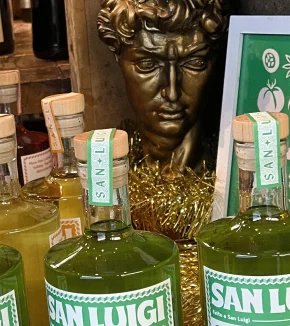
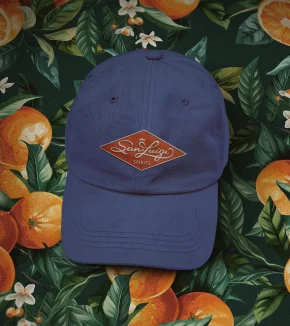
So when newcomers San Luigi Spirits sought to launch a modern amaro brand out of Saint Louis, they needed immediate credibility in a category defined by heritage. The brand had to stand confidently alongside global heavyweights, while carving its own trail. Every decision, from positioning to packaging to rollout, had to signal authority. And, importantly, the liquid had to deliver on that promise.